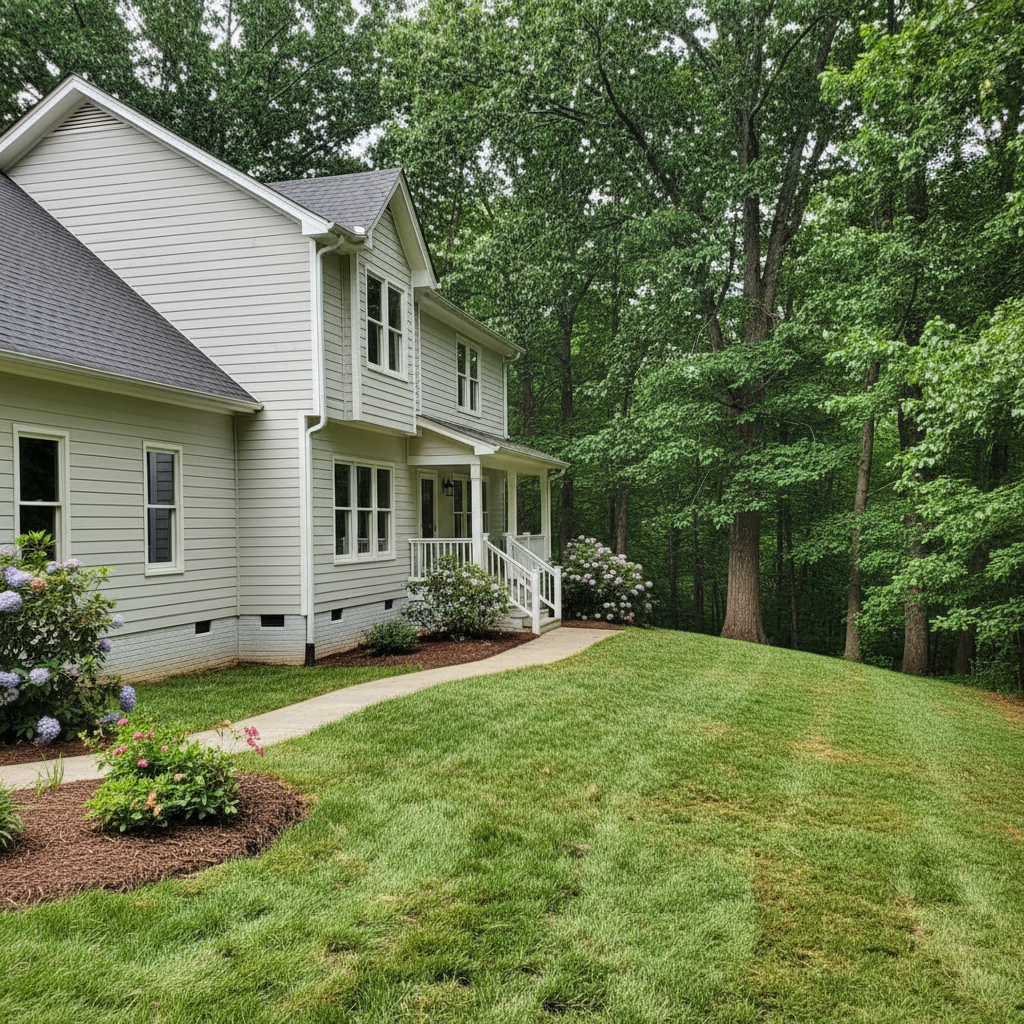
Got water damage? You're probably wondering when the best time is to get it fixed, or maybe you're just dealing with the immediate aftermath. Here in Baldwin, GA, our climate plays a bigger role in water damage restoration than most folks realize. It's not just about getting the water out; it's about getting it out and dried properly. And, let's be honest, our weather can really throw a wrench in that process if you're not careful.
When to Schedule Your Restoration Work
Honestly, the best time to schedule water damage restoration is right now, as soon as you find it. Water doesn't wait for a convenient season, and neither should you. The longer water sits, the more damage it does, and the higher the chances of mold growth. That said, the drying process itself can definitely be influenced by the time of year.
During our hot, humid summers, especially from June through August, we're battling high moisture in the air. This means we often need to use more specialized dehumidification equipment to pull moisture out of your home. It's not impossible, of course, but it can sometimes take a little longer to get everything bone dry, especially in older homes with less efficient insulation or crawl spaces that tend to hold humidity. We're talking about those sticky, 90-degree days with 90% humidity – that's when we really earn our stripes getting your home dry.
Fall and spring can be a bit easier for drying conditions, with moderate temperatures and often lower outdoor humidity. This might mean a slightly faster drying time, but again, water damage is urgent, so you can't really wait for ideal weather. Winter brings its own challenges. While the air might be drier, if you've had a pipe burst, we're often dealing with cold, wet conditions that need careful temperature management to ensure effective drying without causing secondary issues.
How Baldwin Weather Affects the Job
Our local weather doesn't just impact drying times; it can affect the logistics of the job too. Think about those heavy thunderstorms we get in late spring and summer. If your roof is damaged or you have a basement flood, getting materials in and out – or even setting up outside drying equipment – can be a real challenge during a downpour. We've seen plenty of homes in areas like the historic district, with their older foundations, where heavy rains can make existing moisture issues worse or even cause new ones if the grading isn't right.
Then there's the humidity. It's a constant battle here. Even after the visible water is gone, if the humidity isn't brought down to safe levels, you're looking at potential mold problems down the road. That's why Pacific Restoration doesn't just extract water; we focus heavily on thorough drying and dehumidification, no matter what the weather outside is doing.
Another thing to consider is freezing temperatures in winter. If you've had a burst pipe, we're not just drying; we're often repairing plumbing and making sure your home's systems are protected from further cold-weather damage. It's a multi-faceted approach, for sure.
Protecting Your Investment Year-Round
So, what can you do to protect your home and make any future restoration work smoother?
- Regular Inspections: Check your roof, gutters, and downspouts regularly. Make sure they're clear of debris, especially before and after our stormy seasons.
- Monitor Plumbing: Keep an eye on your pipes, especially in unheated areas like crawl spaces or attics during winter. A small drip can turn into a big problem fast.
- Good Drainage: Ensure the ground around your foundation slopes away from your house. This is huge for preventing water from pooling and seeping into your basement or crawl space.
- Know Your Home: Understand where your main water shut-off valve is. If you have a leak, shutting off the water immediately can save you thousands in damage.
- Act Fast: If you do find water damage, don't delay. The quicker you call us, the less damage your home will sustain, and the smoother the restoration process will be. We're talking hours, not days, when it comes to preventing mold.
Ultimately, water damage is an emergency, regardless of the season. But knowing how our Baldwin climate influences the process can help you understand why certain steps are crucial. We're here to help you navigate it, ensuring your home gets back to normal, dry, and safe, no matter what the weather throws at us.