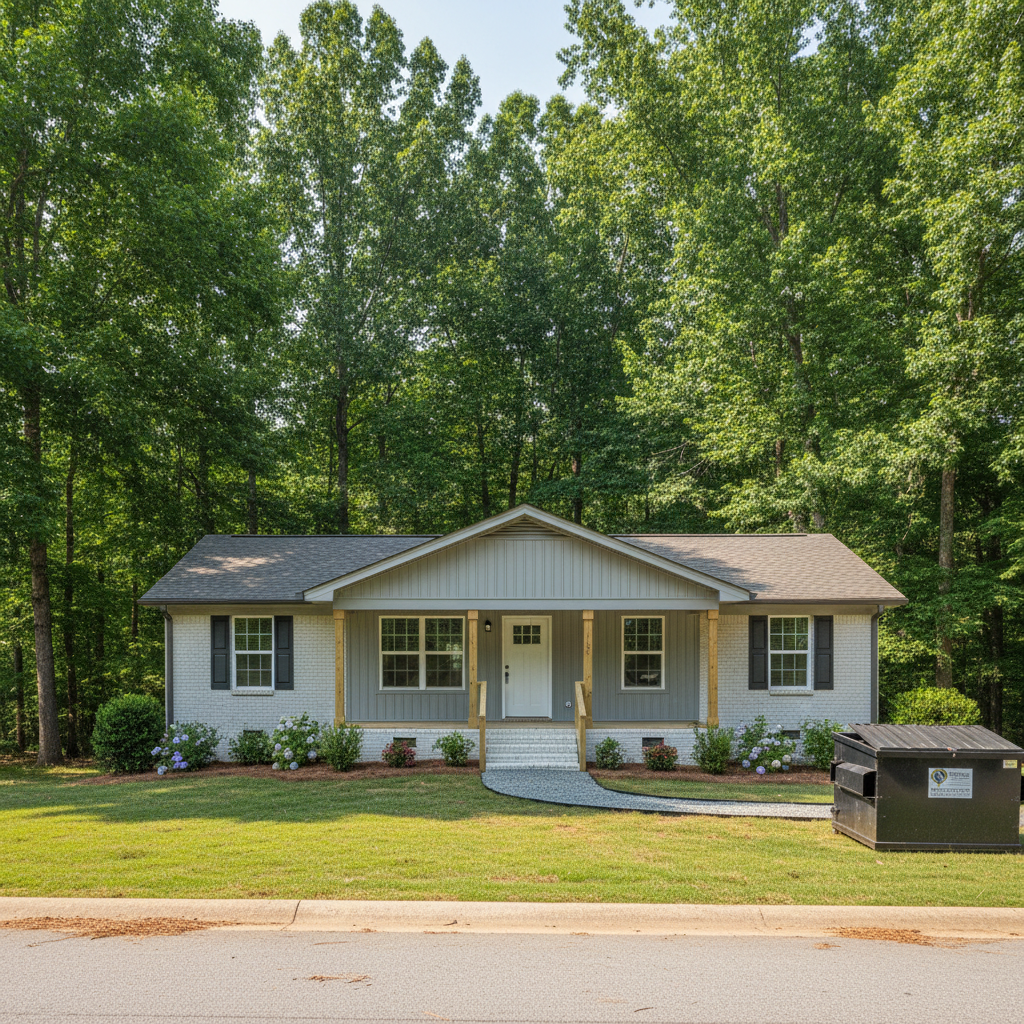
Ever wonder when the 'best' time is to deal with water damage or prevent it? Around here in Baldwin, GA, it's not always as straightforward as you'd think. Our climate, with its hot, humid summers and often wet winters, throws a lot at our homes. As someone who's been helping folks with water damage for years, I've seen firsthand how these seasonal shifts impact everything from a small leak to a full-blown flood. Let's talk about what that means for you.
Understanding Baldwin's Water Damage Seasons
You might think of water damage as a sudden event, like a pipe bursting. And sure, that happens. But often, it's a slow creep, made worse by our specific weather patterns. We don't get the same kind of sustained deep freezes that cause pipes to burst up north, but we do get those quick, sharp cold snaps that can catch older, uninsulated pipes off guard. Then there's the rain. We get a lot of it, especially in spring and late summer. Those heavy downpours can overwhelm gutters, flood basements, and cause serious foundation issues if your drainage isn't up to snuff.
Think about the older homes in neighborhoods like the ones around the historic district – many of them weren't built with modern drainage in mind. That red clay soil we have? It doesn't drain quickly, which means water sits, seeps, and finds its way into places it shouldn't. This is why understanding our local climate isn't just a nice-to-know; it's crucial for preventing major headaches.
When to Schedule & What Weather Affects the Work
When's the best time to tackle water damage restoration or preventative work? Honestly, the best time is as soon as you notice a problem. Water doesn't wait for good weather, and neither should you. However, certain conditions do make the work easier, or harder, for us.
- Spring (March-May): This is prime time for heavy rains. If you've got a leaky roof or a basement that tends to get damp, this is when you'll notice it. Scheduling repairs before the spring deluge is smart. If damage occurs, we're often working against continued rain, which can slow down drying times.
- Summer (June-August): Hot and humid. This is a double-edged sword. The heat helps with drying, but the high humidity means we need to run dehumidifiers even harder to get moisture levels down. Plus, summer thunderstorms can bring sudden, intense flooding. If you're dealing with a burst pipe from a sudden cold snap in winter, the summer heat helps us dry things out faster once the source is fixed.
- Fall (September-November): Often drier, but we still get tropical storm remnants that dump a ton of rain. This is a great time for preventative maintenance – cleaning gutters, checking your foundation, making sure your sump pump is ready for winter. If you had a lingering dampness issue from summer, fall's cooler, drier air can be a good time to address it without fighting extreme humidity.
- Winter (December-February): We don't get much snow, but we do get freezing rain and those quick temperature drops. This is when pipes are most vulnerable. If you're planning any major exterior drainage work, a dry spell in winter can be ideal, as the ground isn't as saturated.
The bottom line is, if you have water damage, you can't delay. The faster we get in there, the less secondary damage (like mold) you'll have to deal with. At Pacific Restoration, we're equipped to handle water damage no matter what the Baldwin weather throws at us.
Protecting Your Investment Year-Round
Your home is likely your biggest investment, and protecting it from water damage is a year-round job. Here are a few things you should be doing:
- Check Your Gutters & Downspouts: I can't stress this enough. Clogged gutters are a leading cause of foundation issues and roof leaks. Clean them out at least twice a year, especially after fall leaves drop and before spring rains. Make sure downspouts direct water at least 5-10 feet away from your foundation.
- Inspect Your Roof: Look for missing shingles, cracked flashing, or any signs of wear. A small repair now can prevent a huge headache later.
- Monitor Your Plumbing: Keep an eye out for drips under sinks, damp spots on walls or ceilings, or unusually high water bills. Even a small leak can cause significant damage over time.
- Know Your Sump Pump: If you have a basement or crawl space, test your sump pump regularly. Pour a bucket of water into the pit to make sure it kicks on. Consider a battery backup if you don't have one.
- Improve Drainage: If you notice water pooling around your foundation after heavy rains, you might need to regrade your landscape or install French drains. This is especially true with our dense clay soil.
- Insulate Pipes: For those colder snaps, make sure any exposed pipes in unheated areas (like crawl spaces or attics) are properly insulated.
Don't wait for a disaster to happen. Being proactive saves you money, stress, and keeps your home safe. If you ever have questions or suspect you've got a water problem, give us a call. We're here to help our Baldwin neighbors.