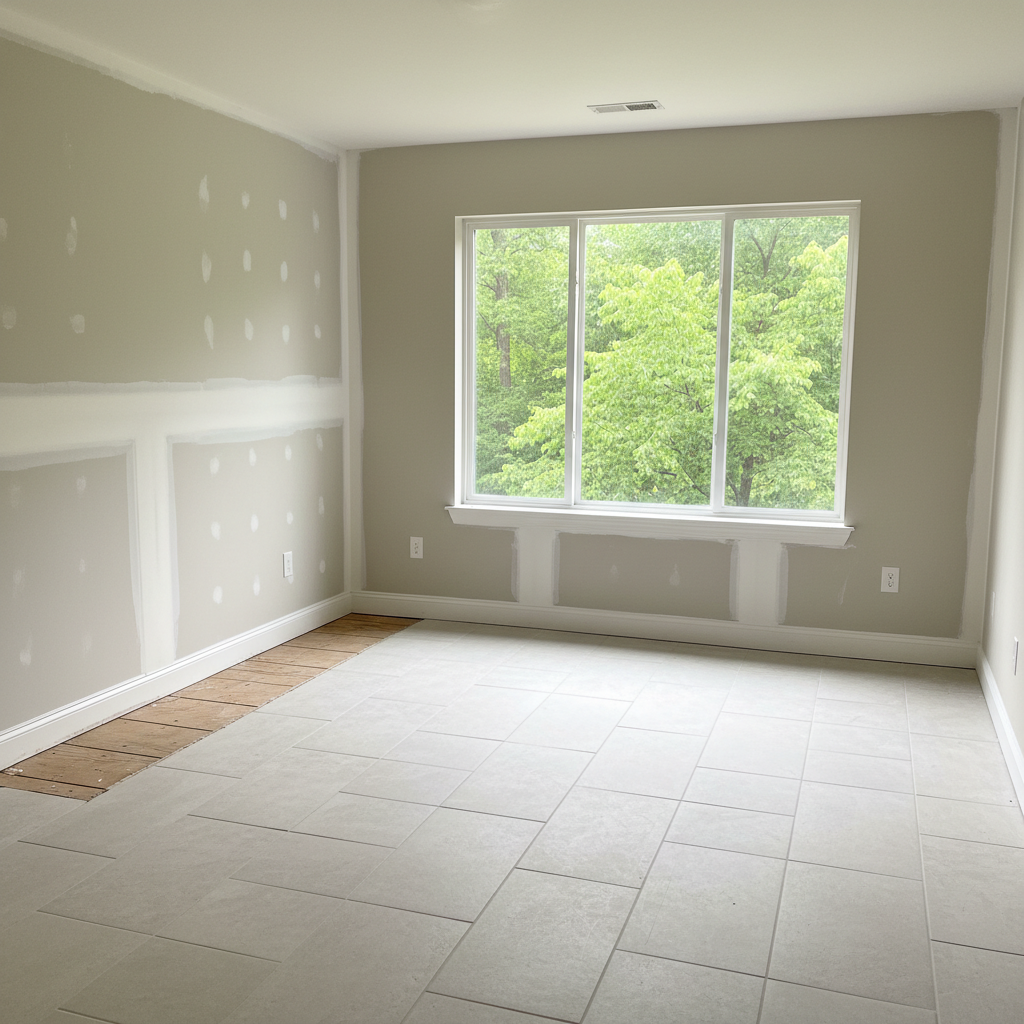
So, you've dealt with mold. Maybe Pacific Restoration was out to your place, or maybe another crew handled it. Either way, that's a big step. But getting rid of mold isn't a one-and-done deal if you don't follow up. Mold loves our climate here in Baldwin, GA, and it's always looking for a way back in. You've invested time and money into making your home healthy again, so let's make sure that work lasts.
Extending the Life of Your Mold Remediation
Think of mold remediation like getting rid of weeds in your garden. You pull 'em out, but if you don't do anything else, they'll pop right back up. The key to keeping mold away is controlling moisture. That's the biggest thing. Here in Georgia, especially during those long, hot, humid summers, moisture is everywhere. It's not just about leaks anymore; it's about ambient humidity too.
First, make sure your gutters are clean and draining properly, away from your foundation. I've seen too many homes, even newer builds in places like the Stonegate subdivision, where clogged gutters just dump water right next to the house. That's a direct invitation for moisture into your crawl space or basement. Also, check your landscaping – make sure soil slopes away from your house, not towards it. Standing water near your foundation is a huge no-no.
Inside, good ventilation is crucial. Run your bathroom fan when you shower, and leave it on for about 15-20 minutes afterward. Same goes for your kitchen fan when you're cooking. If you've got a crawl space, make sure it's properly encapsulated or at least has a good vapor barrier and adequate ventilation. A damp crawl space is a mold factory, and that damp air can easily make its way up into your living areas.
Regular Maintenance: Your Mold Prevention Checklist
You don't need to be a professional to keep an eye on things. Here's what I tell folks to do regularly:
- Check for Leaks: This sounds obvious, but it's easy to forget. Periodically check under sinks, around toilets, and behind appliances like your fridge and washing machine. Even a slow drip can cause big problems over time.
- Monitor Humidity: Get a hygrometer, they're cheap. Keep your indoor humidity below 60%, ideally between 30-50%. In the summer, you'll probably need a dehumidifier, especially in basements or crawl spaces.
- Clean Regularly: Dust and dirt can contain mold spores. Regular cleaning, especially with a HEPA vacuum, helps remove these spores before they can settle and grow.
- Inspect Your HVAC: Make sure your air conditioner is draining properly. The condensate pan can get clogged, leading to overflow and moisture issues. Change your filters regularly too; dirty filters restrict airflow and can harbor spores.
- Look for Condensation: If you see condensation on windows, pipes, or walls, that's a sign of high humidity. Address it immediately.
Warning Signs That Mold Might Be Back
You've done the work, you're doing the maintenance, but sometimes mold is sneaky. Here are the red flags you need to watch out for:
- Musty Odor: This is often the first sign. If you smell a damp, earthy, or musty smell, especially in a certain area, that's a strong indicator of mold growth, even if you can't see it.
- Visible Growth: Of course, if you see black, green, white, or fuzzy spots on walls, ceilings, or other surfaces, it's mold. Don't ignore it.
- Peeling Paint or Wallpaper: Moisture behind walls can cause paint to bubble or peel, and wallpaper to lift. This often points to a hidden moisture problem and potential mold.
- Water Stains: Any new water stains on ceilings or walls, even if dry, suggest a past or ongoing leak that needs investigation.
- Increased Allergies or Respiratory Issues: If you or your family members are experiencing unexplained allergy symptoms, coughing, sneezing, or irritated eyes, especially when at home, mold could be the culprit.
When to Call a Professional
Look, I'm all for DIY, but there are times when you just need to call in the pros. If you see a small patch of mold (less than about 10 square feet) and it's on a non-porous surface like tile, you might be able to clean it yourself with appropriate safety gear. But if you encounter any of these situations, don't mess around:
- Large Areas of Mold: If it's more than a few square feet, or covers a significant portion of a wall or ceiling, you need professional help.
- Hidden Mold: If you smell mold but can't find it, it's likely behind walls or under flooring. Professionals have tools to detect hidden moisture and mold without tearing your house apart unnecessarily.
- Mold After Water Damage: If your home experienced a flood or significant water damage and wasn't dried out properly within 24-48 hours, there's a very high chance of extensive mold growth.
- Health Concerns: If anyone in your household has asthma, allergies, or a compromised immune system, it's always safer to have a professional handle any mold issues.
- Recurrent Mold: If you've cleaned mold yourself, and it keeps coming back in the same spot, there's an underlying moisture problem that needs expert diagnosis and repair.
- HVAC System Mold: Never try to clean mold in your HVAC system yourself. This can spread spores throughout your entire home.
Keeping your home mold-free after remediation is an ongoing job, especially in our neck of the woods. Stay vigilant, address moisture issues quickly, and don't hesitate to call Pacific Restoration or another trusted local company if you're unsure. Your home's health, and your family's, are worth it.