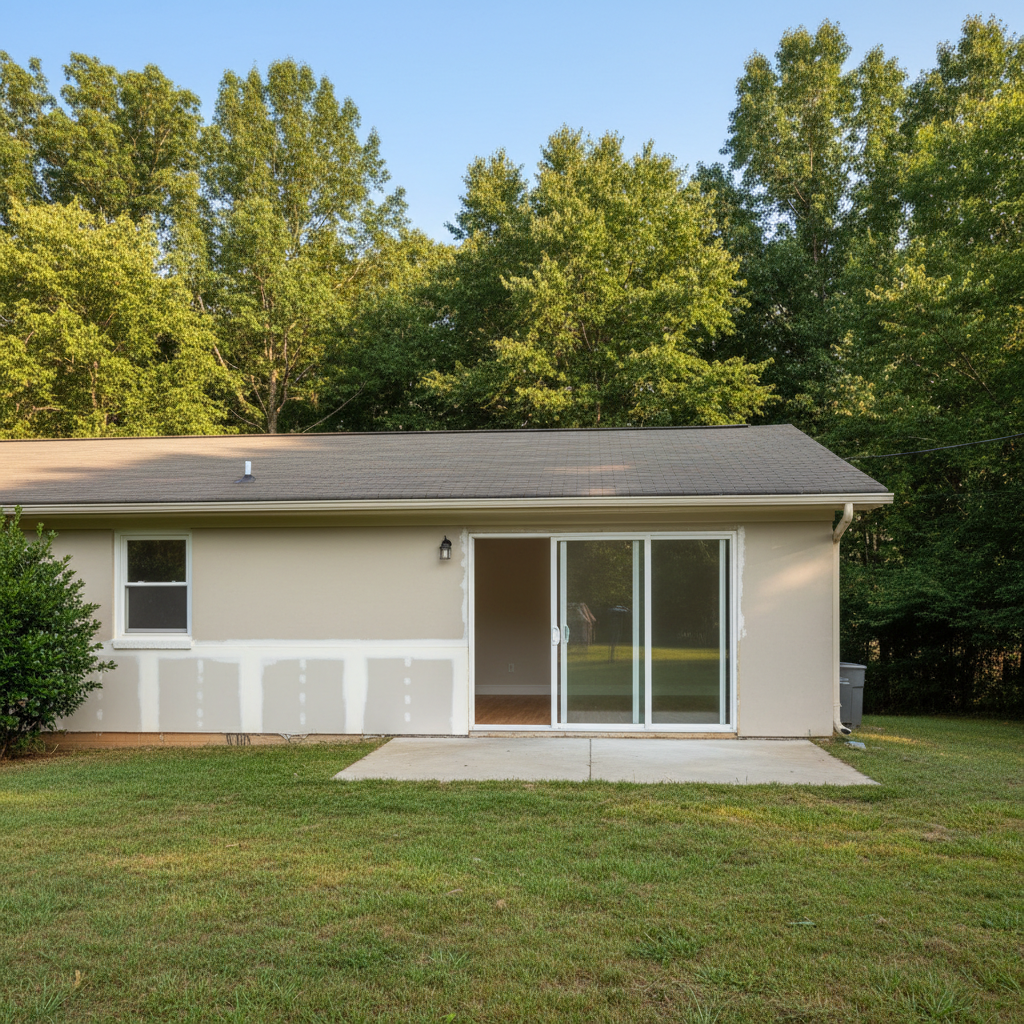
Water damage is a headache, plain and simple. And once you've got the water out, the next big step is drying everything properly. We're talking about structural drying here – getting rid of all that hidden moisture in your walls, floors, and framing. If you don't do it right, you're looking at mold, rot, and bigger bills down the road. So, what's it going to cost you in Baldwin, GA?
What Affects Structural Drying Costs?
A lot of folks call us at Pacific Restoration asking for a quick number, but it's rarely that simple. The price tag for structural drying isn't a flat fee. It depends on a few key things:
- The Size of the Affected Area: This is probably the biggest factor. A small leak under a sink that affected a few square feet of cabinet and subfloor is a lot different from a burst pipe that flooded your entire basement. We measure the square footage of wet materials, not just the room size.
- The Category of Water: Water isn't just water. We classify it. Category 1 is clean water (like from a burst supply line). Category 2 is 'grey water' (like from a washing machine overflow). Category 3 is 'black water' (sewage, floodwater from outside). The dirtier the water, the more extensive the cleaning and sometimes even removal of materials needed before drying can even begin, which adds to the cost.
- The Class of Water Damage: This tells us how much moisture has been absorbed and how quickly it's evaporating. Class 1 is minimal absorption, Class 4 is deeply saturated, hard-to-dry materials. The higher the class, the more equipment and time it'll take.
- Materials Affected: Drying concrete is different from drying drywall or hardwood floors. Some materials hold onto water longer and require specialized equipment or longer drying times. For example, if you've got wet hardwood floors, we might need to use specialized drying mats or injectidry systems, which are more intensive than just setting up air movers on carpet.
- Accessibility: Is the wet area easy to get to? Or do we have to pull up half your kitchen cabinets to get to a leak? Hard-to-reach spots mean more labor.
- Time to Respond: The faster you get us in there, the better. If water sits for days, it soaks deeper, causes more damage, and increases the chance of mold, which then adds remediation costs.
Typical Cost Ranges in Baldwin, GA
Alright, let's talk numbers. I know you want specifics, and I'll give you some realistic ranges based on what we see around here, from the older homes near downtown Baldwin to the newer builds out towards the county line. Keep in mind, these are estimates for the drying process itself, usually after the initial water extraction is done. If you need demolition, mold remediation, or reconstruction, those are separate costs.
- Small, Contained Area (e.g., under a sink, small bathroom leak): For something like 20-50 square feet of affected material, you're usually looking at **$1,500 - $3,000**. This would involve a few air movers, a dehumidifier, and monitoring for maybe 3-5 days.
- Medium Area (e.g., one flooded room, larger basement corner): If it's more like 100-300 square feet, expect **$3,000 - $7,000**. This often means more equipment, possibly specialized drying for specific materials, and a longer drying period, maybe 5-7 days.
- Large Area (e.g., multiple rooms, entire basement, significant flood): For 500+ square feet, especially with more complex materials or higher water categories, costs can range from **$7,000 - $15,000+**. This requires a lot of equipment, constant monitoring, and often takes a week or more.
These numbers include the equipment rental, setup, monitoring, and final moisture readings. Remember, these are rough guides. Every situation is unique.
What's Included in a Quote?
When you get a quote from Pacific Restoration, or any reputable company, it should be pretty clear. Here's what you should expect to see:
- Assessment and Inspection: This is where we figure out the extent of the damage, moisture levels, and water category.
- Water Extraction: Getting rid of standing water.
- Equipment Setup: This includes air movers, dehumidifiers, air scrubbers (if needed for air quality), and specialized drying equipment.
- Monitoring and Adjustments: We don't just set it and forget it. We'll come back daily to check moisture levels, move equipment, and ensure everything's drying efficiently.
- Moisture Mapping and Readings: Using thermal imaging and moisture meters to track the drying progress.
- Demolition (if necessary): Sometimes, materials like heavily saturated drywall or insulation just can't be saved and need to be removed to allow for proper drying.
- Final Verification: Making sure everything is dry to industry standards.
- Documentation: For your insurance company, if you're filing a claim.
A good quote will break down these services and the associated costs. Don't be afraid to ask questions if something isn't clear.
How to Avoid Overpaying
Nobody wants to throw money away, especially when you're already dealing with water damage. Here are my tips for keeping costs down and getting a fair deal:
- Act Fast: Seriously, this is the number one thing. The longer water sits, the more damage it does, and the more expensive the fix. If you've got a leak, shut off the water and call us right away.
- Get Multiple Quotes: It's always a good idea to get a couple of estimates. Just make sure you're comparing apples to apples – ensure each quote includes similar services and equipment.
- Check Credentials: Make sure the company is certified by organizations like the IICRC (Institute of Inspection, Cleaning and Restoration Certification). This means they know what they're doing.
- Understand Your Insurance: If you have homeowner's insurance, understand what your policy covers. Many policies cover sudden and accidental water damage, but not issues from long-term neglect. We work with insurance companies all the time, so we can help you navigate that.
- Don't Rush the Drying: While you want it done quickly, don't push a contractor to cut corners. If they tell you it needs 5 days, it probably needs 5 days. Undried moisture is a recipe for mold, and that's a much bigger, more expensive problem than proper drying.
- Ask About the Process: A good contractor will explain what they're doing and why. If they can't or won't, that's a red flag.
Dealing with water damage is stressful enough without worrying about getting ripped off. Here at Pacific Restoration, we pride ourselves on being transparent and doing the job right the first time. We've seen it all in Baldwin, from flash floods that affect homes down by the creek to burst pipes in the middle of winter, and we know how important it is to get your home dry and safe again.