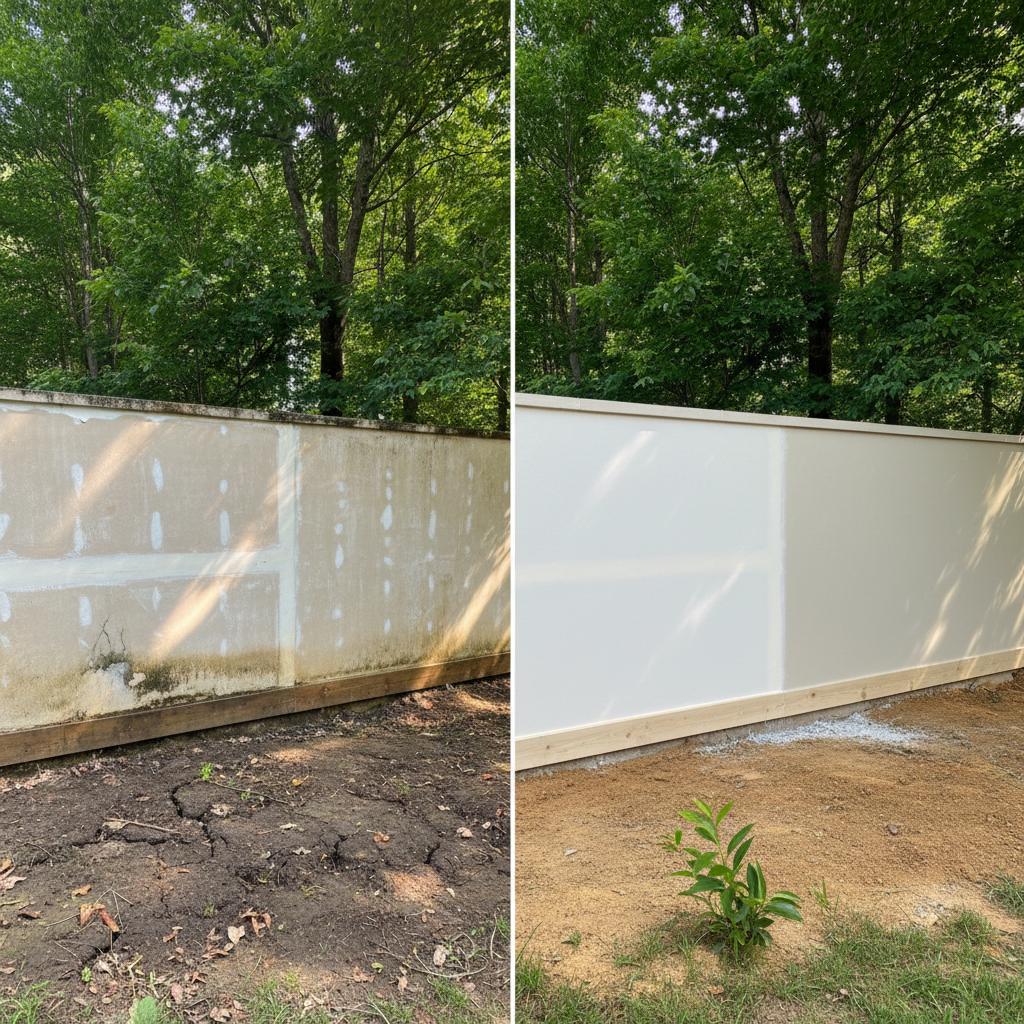
So, you've had a water leak, maybe a pipe burst, or even a bit of flooding from one of our summer thunderstorms. Now you're staring at wet drywall, soggy insulation, or warped flooring, and that big question pops into your head: Can this stuff be saved, or does it all need to be ripped out and replaced?
It's a common problem, and honestly, there's no single right answer for every situation. But as someone who's seen a lot of water-damaged homes here in Baldwin, I can tell you what I've learned about the two main approaches: drying and fixing what's there, versus tearing it all out and starting fresh.
Option 1: Drying and Repairing (The 'Save It' Approach)
This is often what people hope for first, and for good reason. If you can dry out materials and fix them, it usually means less mess, less demolition, and potentially a quicker finish. But it's not always possible or smart.
When it works:
- Clean Water Source: This is super important. If the water came from a clean source – like a burst supply line or a rainwater leak that didn't touch dirty ground – then drying is a much safer bet.
- Quick Response: Time is definitely not on your side with water damage. If you catch it fast, say within 24-48 hours, and you can get professional drying equipment in there right away, you stand a much better chance. We're talking industrial-grade dehumidifiers, air movers, and special meters to check moisture levels deep inside walls and floors.
- Specific Materials: Some materials dry better than others. Solid wood framing, concrete, and certain types of plaster can often dry out well. Even some subflooring, if caught early, can be saved.
- Limited Saturation: If the material isn't totally soaked through or structurally damaged, drying might be an option.
The Downsides:
- Mold Risk: This is the biggest problem. If you don't dry things out completely and fast enough, mold *will* grow. And once mold gets in, especially in hidden spots like inside walls, you're looking at a much bigger, more expensive problem. You might think it's dry on the surface, but if the core is still wet, mold's having a party.
- Durability Concerns: Even if dried, some materials might be weaker. Drywall can get brittle, certain insulation types lose their R-value, and wood can warp or develop dry rot over time. You might save it now, but it might not last as long.
- Appearance: Stains, warping, and swelling can still happen, even after drying. You might save the material, but it might not look great without more cosmetic repairs.
- Cost of Equipment: Professional drying isn't cheap. The equipment, monitoring, and labor add up. Sometimes, it can get close to the cost of replacement, especially if it's a small area.
Option 2: Removing and Replacing (The 'Rip It Out' Approach)
This sounds more drastic, and it is. But often, it's the most responsible and long-term solution, especially given our humid climate here in Baldwin. We've got that red clay soil that holds moisture, and once water gets into a structure, it really likes to stick around.
When it's necessary (and often better):
- Contaminated Water: If the water came from a sewage backup, an overflowing toilet with waste, or outdoor flooding that brought in dirt and contaminants, you absolutely need to remove affected porous materials. You can't just dry out sewage-soaked drywall; it's a health risk.
- Prolonged Saturation: If materials have been wet for more than 48-72 hours, the risk of mold and structural damage goes way up. At this point, removal is usually the safest bet.
- Porous Materials: Drywall, insulation (especially fiberglass or cellulose), carpet, carpet padding, particle board, and engineered wood flooring are all very porous. Once they're saturated, they're incredibly hard to dry completely without mold issues, and they often lose their strength or good looks.
- Structural Damage: If the water has caused warping, swelling, or weakened structural parts, replacement isn't just an option; it's a must for safety.
- Hidden Damage: Sometimes, you don't know the full extent until you start opening things up. If we find a lot of hidden mold or rot, then replacement becomes the only way to ensure a healthy home.
The Downsides:
- More Invasive: Obviously, tearing things out is a bigger job. More dust, more noise, more disruption to your home.
- Longer Project Time: Demolition, drying out the remaining structure, and then rebuilding takes time.
- Potentially Higher Upfront Cost: The initial bill can be higher because you're paying for demolition, disposal, and all new materials and installation.
My Recommendation for Baldwin Homeowners
Given our climate – those hot, humid summers and occasional heavy rains that can really soak the ground – I tend to lean towards removing and replacing most porous materials that have been wet for more than a day or two, especially if the water source wasn't perfectly clean. The risk of hidden mold is just too high, and dealing with mold later on is far more disruptive and costly than doing it right the first time.
For non-porous materials like concrete or solid wood framing that are only surface-wet from a clean source, professional drying can absolutely work. But for things like drywall, insulation, and carpet? If they're truly soaked, especially if it's been a while, rip 'em out. It's an investment in the long-term health and structural integrity of your home.
Don't try to guess or cut corners. Get a professional assessment. We at Pacific Restoration use specialized moisture meters and thermal imaging to really see what's going on behind your walls and under your floors. We'll give you an honest opinion on whether something can truly be saved or if it needs to go. Your peace of mind and the health of your home are worth it, don't you think?